Journal · Toys · Power chewers
Best dog toys for aggressive chewers (eco materials that last)
If your dog turns plush into confetti before dinner, “eco” is not the soft green toy with a leaf on the tag. For aggressive chewers, the lower-waste pick is the one that survives long enough to be supervised, cleaned, and retired on purpose — not shredded into a vet bill.
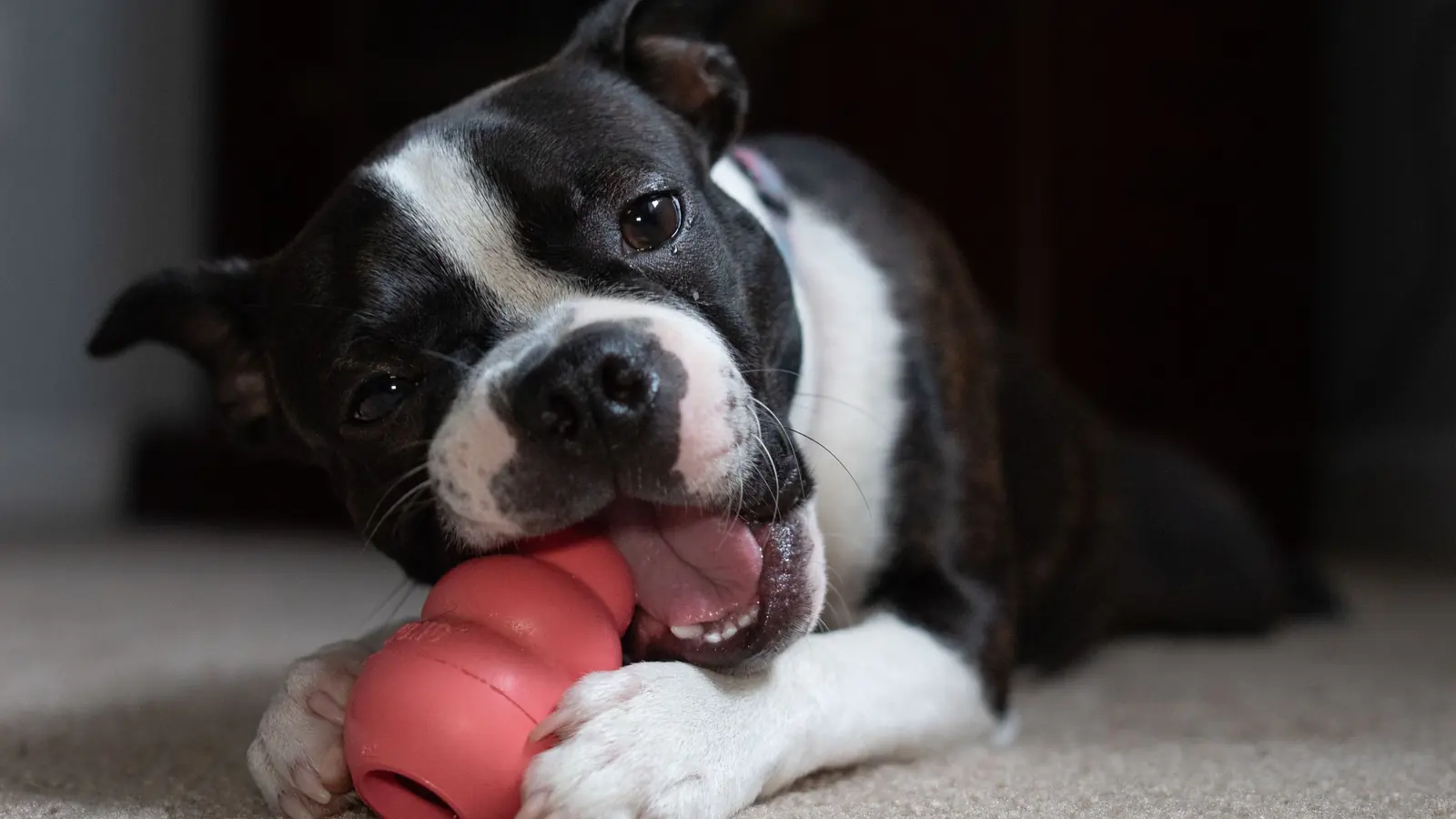
This is a buying framework, not a lab report. We have not chew-tested a secret panel of toys, and we will not invent “our dog destroyed forty toys so you don’t have to” stories. What we will do is match chew class to material, explain when biodegradable toys are the wrong tool, and leave affiliate slots empty until a real link exists. For the wider aisle, see our 2026 eco toy list by chew strength and the eco dog toys field guide.
What “aggressive chewer” actually means
Breed labels help less than behavior. An aggressive chewer is a dog who damages toys with intent: puncturing, shearing seams, removing stuffing, or swallowing pieces. Moderate chewers fray rope and kill squeakers over weeks. Power chewers do it in a session. If you are replacing soft toys weekly, stop buying soft toys for unsupervised time.
Size matters twice. A toy that is small enough to lodge behind the molars is a choking hazard even if the material is tough. A toy that is huge but made of soft foam is still soft foam. Match both mouth size and chew style.
Chew classes in one minute
| Class | What you see | What lasts | What fails fast |
|---|---|---|---|
| Gentle | Carries, mouths, rare punctures | Softer rubber, simple fabric used with you watching | Unused “extreme” chews they ignore |
| Moderate | Removes squeakers, frays rope, dents rubber | Thicker natural rubber, one-piece TPE | Cheap plush multipacks |
| Aggressive / power | Shears, swallows pieces, kills soft toys in one go | Thick one-piece rubber or recyclable elastomer, oversized | Plush, rope-as-chew, most “biodegradable” soft toys |
If you are unsure which row you are in, buy as if you are one class tougher than you hope. Replacing a toy once is cheaper than an emergency visit for swallowed stuffing.
Why biodegradable toys often fail power chewers
“Biodegradable” describes what might happen to a material under the right conditions after disposal. It does not mean “safe to shred in a living room.” Soft plant-fiber toys, corn-based foams, and many compostable-looking plushes break into pieces a power chewer can swallow. When that happens you get:
- A toy that lasted hours, not months — the highest waste option in the aisle
- Pieces that do not magically compost inside a dog
- A green label that distracted you from chew match
For materials definitions, use our glossary. For the honesty checklist we print for free, use the Eco Dog Toy Durability Checklist. Renewable or plant-based is still the wrong job if the toy becomes confetti.
Hard stop: never confuse bag-aisle claims with toy claims. Earth Rated and similar poop-bag lines are about waste bags, not chew toys — and we do not call Earth Rated bags compostable. See our bag-claim translation if you are shopping that aisle.
Eco materials that can last for aggressive chewers
Thick natural rubber
Natural rubber from latex trees is renewable and common in classic stuffable shapes. Thick, one-piece rubber can hold up for many power chewers — until it cracks, chalks, or loses a chunk. Latex allergy in the household means rubber stays on the shelf. It is not backyard compost when worn out; it is usually trash unless a specialist take-back exists.
Recyclable elastomers (Zogoflex-style TPE)
Thermoplastic elastomers designed for dog toys are synthetic on purpose. The point is durability plus, for some brands, a published recycling program. They are not plant-based and not biodegradable. For a head-to-head of rubber vs Zogoflex vs hemp, see our materials comparison. For stuffable enrichment specifically, see West Paw Toppl vs Kong Classic.
What to skip for unsupervised power chewing
- Plush, fleece, and “eco stuffing” — dissection hazards
- Rope as an all-day chew once threads show
- Tennis balls — abrasive felt, easy to shred the rubber core
- Antlers, hooves, and ultra-hard nylon that can fracture teeth (ask your vet; this page is about soft-to-firm toys, not dental risk ranking)
- Anything with button eyes, glued parts, or a reachable squeaker
Safety and retire rules (non-negotiable)
- Supervise focused chewing. No material on this page is a license to leave a power chewer alone with a new toy.
- Size up. The toy should be larger than the back of the mouth. When in doubt, go larger.
- Retire at first failure. Missing chunk, deep crack, sticky or chalky rubber, long rope threads, exposed stuffing, reachable squeaker.
- Clean what you keep. Saliva film and leftover food shorten toy life. Our cleaning guide covers rubber, rope, and plush.
- Separate enrichment from destruction. Stuffable toys are for filled sessions. When the food is gone, many power chewers should lose access until the next session.
Print the full list: Eco Dog Toy Durability Checklist.
How to buy without getting greenwashed
- Named material on the page, not just “eco” or “natural vibes”
- One piece preferred over multi-part toys for destroyers
- A clear chew-level recommendation from the maker (moderate vs power)
- An end-of-life you can use: take-back with a published address beats a vague “biodegradable” claim
- A return or guarantee policy you actually read before checkout
A simple shopping path
- Decide the class from the table above (assume tougher if unsure).
- Pick one stuffable for enrichment and one solid chew for focused chewing — not five soft toys.
- Check material and size, then check retire rules before the first play session.
- Rotate. Put extras away so “new” lasts longer without more buying.
For a starter kit that puts toys next to gear and waste choices, see Start here. For materials vocabulary, stay in the glossary.
Common questions
What makes a dog an aggressive chewer?
Aggressive (or power) chewers do not just mouth a toy. They puncture, shear, unstuff, or swallow pieces. If soft toys die in one session, or rubber toys lose chunks in a few days, you are shopping in the power-chewer aisle — regardless of breed.
Are biodegradable dog toys good for aggressive chewers?
Usually no. Soft plant-fiber and many “biodegradable” stuffed toys break into swallowable pieces fast. A toy that lasts one afternoon is higher waste than a durable one-piece toy you supervise and eventually retire. Biodegradable is a compost claim, not a chew-strength claim.
What materials last longest for power chewers?
Thick one-piece natural rubber and recyclable elastomers (for example West Paw’s Zogoflex) are the usual durable options. Neither is indestructible. Size the toy larger than the back of the mouth, and retire it at the first missing chunk.
Is there an indestructible eco dog toy?
No. Brands that imply indestructible are selling hope. The honest goal is a toy that lasts long enough to be worth buying, that you can inspect, and that has a clear “done” point so you take it away before pieces are swallowed.
When should I throw away a chew toy?
Retire it when a piece is missing, a crack is deep enough to grip, rubber goes sticky or chalky, rope threads are long enough to swallow, stuffing shows, or a squeaker is reachable. Cleaning does not fix those failures.